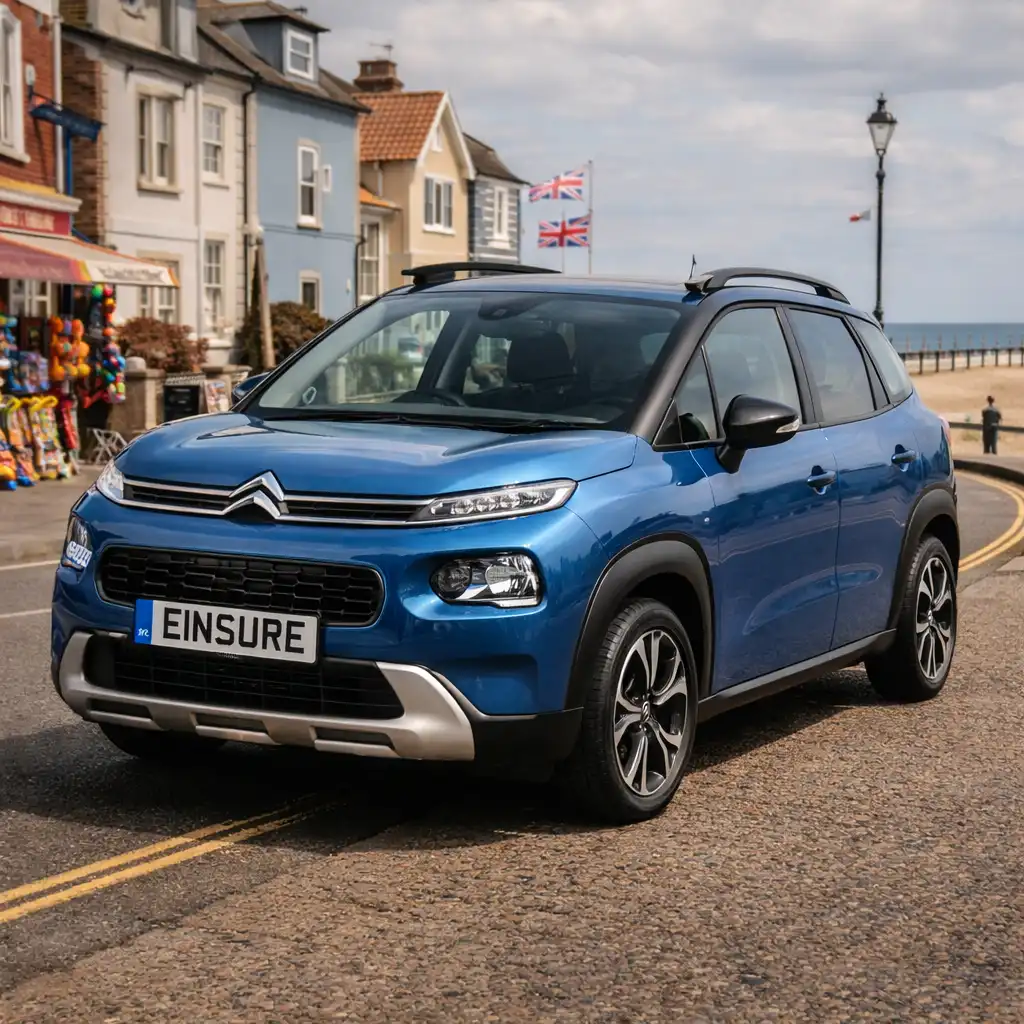
Many drivers assume that car insurance should be cheaper in seaside towns because they are often quieter than major cities. In some cases, that can be true — but it is not a rule.
Car insurance prices are based on risk, and while some seaside towns may have lower traffic or lower theft rates, others can have seasonal congestion, higher levels of accidental damage, or increased claim frequency during busy periods.
This guide explains whether car insurance is cheaper in seaside towns, what factors insurers look at, and why prices can still vary significantly between coastal locations.
Is car insurance cheaper in seaside towns?
Car insurance can be cheaper in some seaside towns, but not always.
Insurers look at postcode-level risk rather than broad labels like “seaside” or “coastal”. That means some seaside towns may be cheaper than cities, while others may be more expensive than expected.
Typical factors that can influence pricing include:
- Traffic levels and seasonal congestion
- Accident frequency
- Vehicle theft and vandalism rates
- Where cars are parked overnight
Seaside towns vs cities: key differences
| Factor | Seaside Towns | Cities |
|---|---|---|
| Traffic levels | Often lower outside peak season | Usually higher year-round |
| Seasonal congestion | Can be high in summer | More constant throughout the year |
| Theft risk | Varies by town | Often higher in dense urban areas |
| Parking availability | Can be limited in tourist areas | Often limited in city centres |
| Typical insurance impact | Sometimes cheaper, but mixed | Often more expensive |
Why insurance can be cheaper in seaside towns
1. Lower everyday traffic
Many seaside towns have less year-round traffic than large urban areas, which can reduce accident frequency.
2. Lower crime in some areas
Some coastal locations experience lower vehicle theft and vandalism rates compared to major cities.
3. Less congestion outside holiday periods
Outside peak tourist months, roads may be quieter and less stressful to drive on.
Why insurance can be more expensive than expected
1. Seasonal tourist traffic
Some seaside towns become much busier during summer, school holidays and bank holiday weekends. This can increase accident risk and claim frequency.
2. Parking pressure
In tourist-heavy areas, drivers may rely more on on-street parking or public car parks, which can increase exposure to damage or theft.
3. Older roads and tighter streets
Many coastal towns have older road layouts, narrow streets and limited parking access, which can increase the chance of minor damage claims.
4. Postcode matters more than the label “seaside”
Insurers use detailed postcode data. Two seaside towns can have very different premiums depending on local claims history and theft data.
What insurers look at in seaside towns
Insurers are generally interested in the same core risk factors wherever you live.
- Local accident and claims history
- Crime and theft rates
- Where your car is kept overnight
- Your mileage and usage
- Your vehicle type and insurance group
This means a low-risk driver in a busy seaside postcode may still pay less than a high-risk driver in a quieter coastal area.
How to get cheaper insurance in a seaside town
If you live in a coastal location, there are still practical ways to reduce your premium.
- Keep your mileage realistic and up to date
- Park off-road if possible
- Use visible security devices
- Compare quotes before renewal
- Choose a car in a lower insurance group
Small adjustments can still make a noticeable difference.
Key takeaways
- Car insurance can be cheaper in seaside towns, but not always
- Seasonal traffic and parking pressures can increase risk
- Postcode data matters more than whether a town is coastal
- Comparing quotes is still one of the best ways to save money
- Your driving profile remains just as important as location
Frequently Asked Questions
Is car insurance cheaper in seaside towns?
It can be, but it depends on the postcode, local claims data, and your individual risk profile.
Why can seaside town insurance be expensive?
Seasonal traffic, limited parking and tourist-related congestion can all increase claim risk in some coastal areas.
Are seaside towns cheaper than cities for insurance?
Often, yes, but not always. Some coastal postcodes can still be expensive depending on local conditions.
Does tourism affect car insurance prices?
It can. Higher traffic and parking pressure during busy seasons may increase the risk of claims.
What matters most for car insurance pricing?
Postcode, driving history, vehicle type, mileage and usage all play major roles in how insurers calculate premiums.