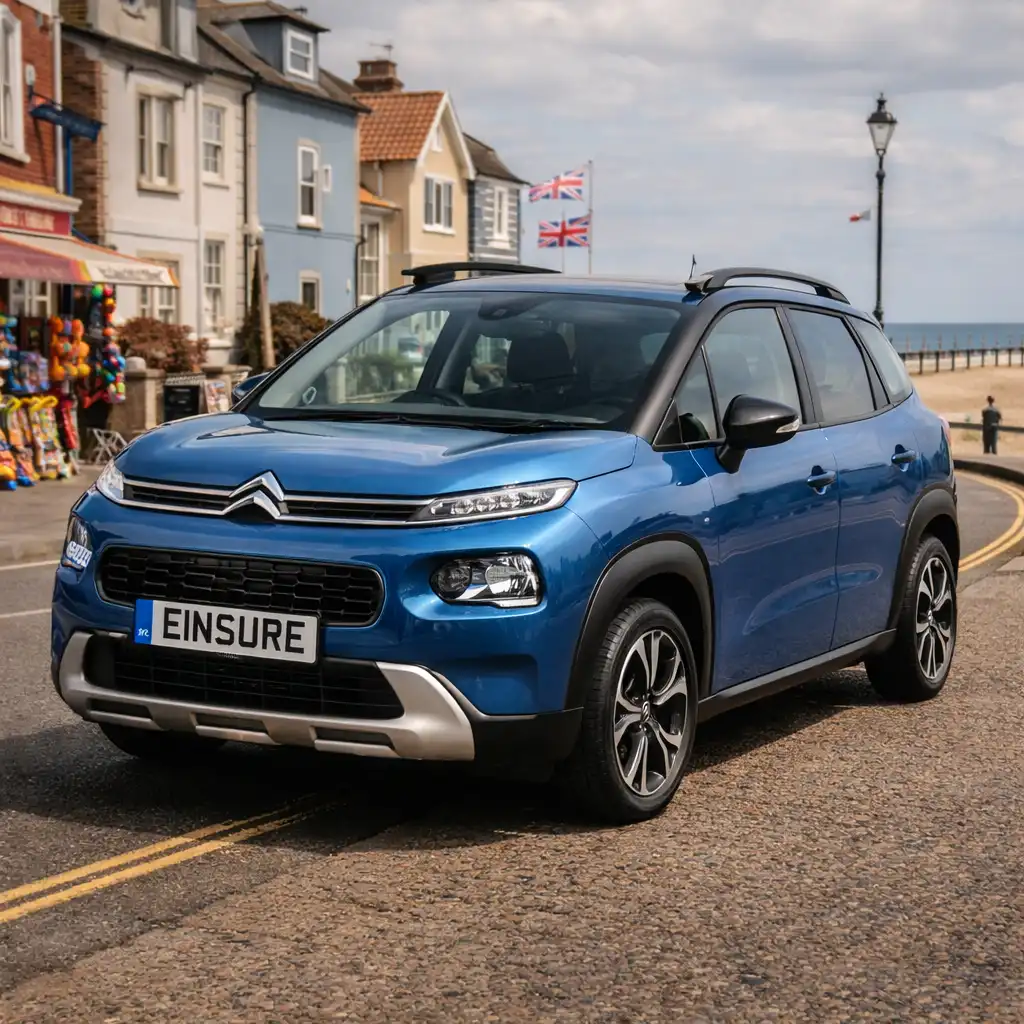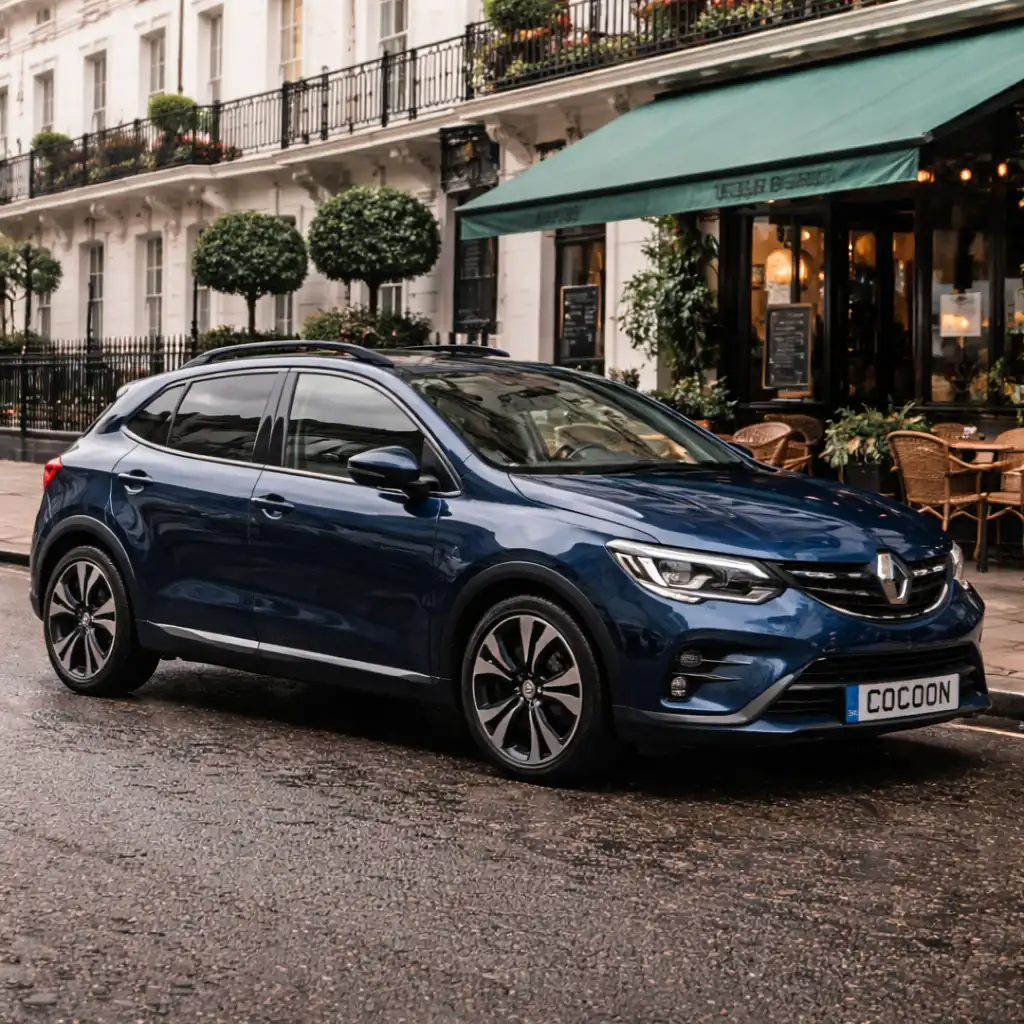
Street parking is common across the UK, especially in towns and cities where off-road parking isn’t always available. But many drivers wonder: is parking your car on the street bad for car insurance?
The short answer is that street parking can increase risk in some situations — but it doesn’t automatically mean your insurance will be more expensive. It depends on a range of factors, including your location, vehicle and overall risk profile.
This guide explains how street parking affects car insurance and what you can do to reduce your risk.
Why insurers look at where you park
When calculating your premium, insurers assess how likely your car is to be involved in a claim. Where your car is kept overnight is part of that assessment.
Street parking can expose your vehicle to:
- Accidental damage from passing traffic
- Theft or attempted theft
- Vandalism
This is why insurers often ask where your car is parked when you take out a policy.
Is street parking always more expensive?
Not necessarily. While street parking can increase exposure to risk, it’s only one factor in how your premium is calculated.
Insurers also consider:
- Your postcode
- Your driving history
- Your vehicle type
- Local claim and theft rates
In some areas, street parking may not significantly affect pricing at all — especially in quieter or lower-risk locations.
Why street parking can increase risk
1. Higher exposure to other vehicles
Cars parked on the road are more likely to be hit by passing traffic, particularly on narrow streets or busy routes.
2. Increased theft risk
Vehicles parked on the street are more visible and accessible, which may make them more attractive to opportunistic thieves.
3. Greater chance of minor damage
Scratches, dents and wing mirror damage are more common when cars are parked in shared spaces.
When street parking may not be a problem
Street parking doesn’t always lead to higher premiums. It may have less impact if:
- You live in a low-risk area
- The street is quiet with minimal traffic
- There is good lighting or CCTV nearby
- Your car has strong security features
In these cases, insurers may view the risk as lower.
How to reduce risk when parking on the street
If you don’t have access to a driveway or garage, there are still ways to make street parking safer.
- Park in well-lit areas
- Avoid tight or high-traffic streets where possible
- Fold in mirrors to reduce damage risk
- Use visible deterrents such as steering wheel locks
- Ensure your car is locked every time you leave it
These simple steps can help reduce risk and protect your vehicle.
Should you change your parking details?
You should always be accurate about where your car is kept overnight.
If your parking situation changes — for example, moving from a driveway to street parking — you should inform your insurer. Incorrect information could affect your cover if you need to make a claim.
Key takeaways
- Street parking can increase risk, but it doesn’t always increase premiums
- Location and postcode play a major role in pricing
- Damage and theft risks are generally higher on the street
- Simple precautions can reduce risk significantly
- Always provide accurate parking details to your insurer
Frequently Asked Questions
Is street parking bad for car insurance?
It can increase risk in some cases, but it does not always lead to higher premiums. It depends on your location and overall risk profile.
Does parking on the street increase insurance costs?
It may increase costs in higher-risk areas, but not always. Insurers consider multiple factors when calculating premiums.
Is a driveway better than street parking?
Driveways are generally considered lower risk, but the impact on price varies depending on location and other factors.
Can I say I park on a driveway if I don’t?
No. Providing incorrect information could invalidate your insurance or affect a claim.
How can I make street parking safer?
Parking in well-lit areas, using visible security devices and choosing quieter streets can help reduce risk.