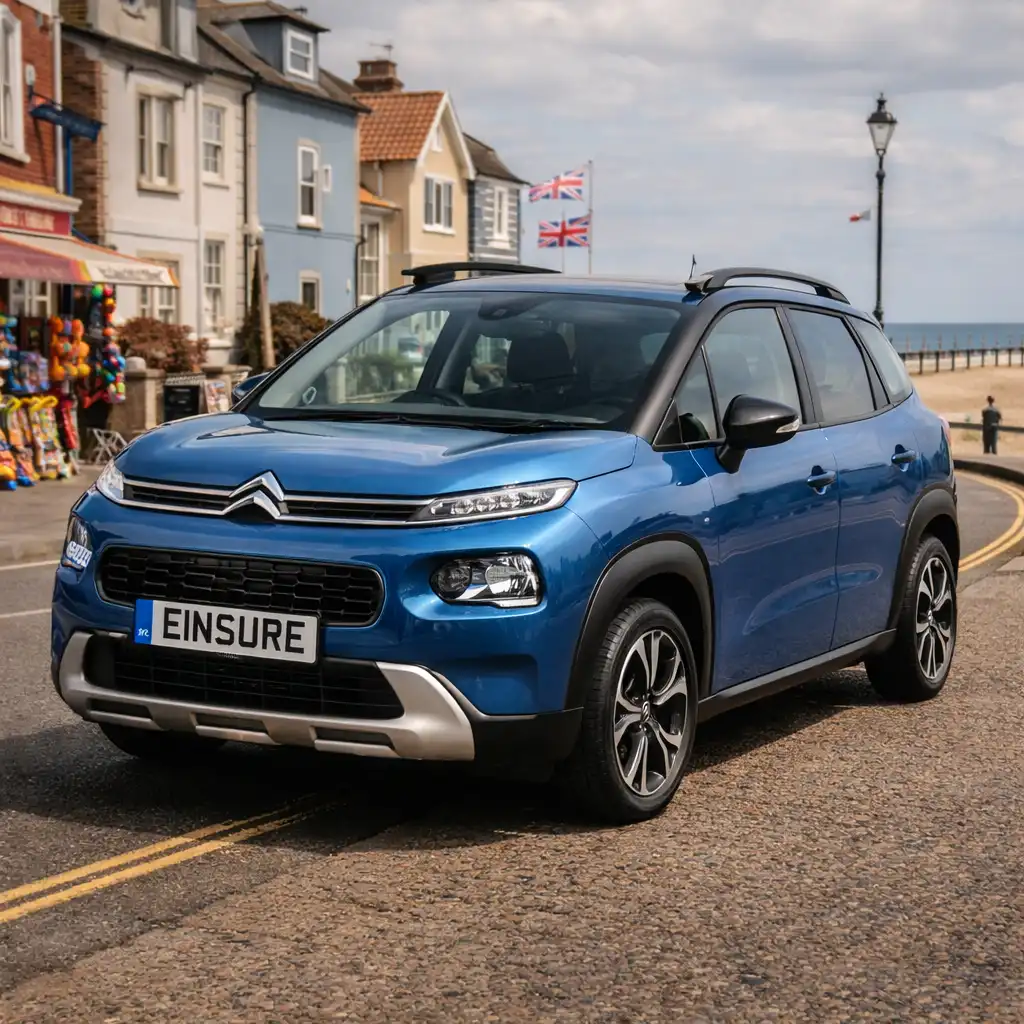
Many modern car thefts happen without smashed windows, forced locks, or obvious signs of damage. This often surprises drivers, especially those with newer vehicles.
So how do cars get stolen without breaking in? In most cases, thieves use electronic methods that exploit how modern vehicles communicate with their keys and internal systems.
This guide explains the most common theft techniques used today, why they work, and what drivers can do to reduce their risk.
What Does “Stolen Without Breaking In” Mean?
When a car is stolen without breaking in, it usually means:
- No windows are smashed
- No visible damage to locks
- The vehicle unlocks and starts normally
This is possible because many modern cars rely on electronic systems rather than traditional physical keys.
How Do Cars Get Stolen Without Breaking In?
There are several common methods used by thieves. The most widespread involve exploiting keyless entry systems and vehicle electronics.
1. Relay Theft (Keyless Entry Attacks)
Relay theft is one of the most well-known modern car theft methods.
How it works
- Your key fob constantly emits a signal
- A relay device captures that signal from inside your home
- The signal is amplified and relayed to the car
- The car unlocks and starts as if the key is present
This can happen in seconds, often late at night, without any physical damage.
View Faraday pouches for car keys on Amazon
2. OBD Port Theft (Key Programming)
Another common method involves accessing the vehicle’s OBD (On-Board Diagnostics) port.
How it works
- Thieves gain entry to the car (often without damage)
- A device is plugged into the OBD port
- A new key is programmed in minutes
- The car is driven away normally
This method is particularly effective against vehicles without additional OBD protection.
View OBD port protectors on Amazon
3. CAN Bus Injection
CAN bus theft is a newer and increasingly reported method.
How it works
- Access is gained to a vehicle’s wiring (often behind lights or panels)
- Signals are injected directly into the CAN bus system
- The car is tricked into unlocking and disabling security
This method bypasses the key entirely and leaves little visible evidence.
4. Signal Jamming
Signal jamming doesn’t steal the car immediately, but it sets up a later theft.
How it works
- A jammer blocks your key signal when you try to lock the car
- The car remains unlocked without you realising
- The thief returns later to steal the vehicle
This highlights why checking your car is locked is still important.
Why Modern Cars Are Vulnerable
Modern vehicles prioritise convenience and technology, which can create new security challenges.
Common factors include:
- Keyless entry systems
- Always-on electronic communication
- Standardised diagnostic ports
This doesn’t mean modern cars are unsafe — but it does mean layered security is more important than ever.
How Insurers View These Theft Methods
Insurers are increasingly aware of electronic theft techniques. While no security device guarantees cheaper insurance, insurers assess overall theft risk when pricing cover.
Measures that may support a lower-risk profile include:
- Visible physical security
- Electronic protection layers
- Tracking and recovery options
What Can You Do to Reduce the Risk?
- Use a Faraday pouch for keyless entry keys
- Fit a steering wheel lock as a visible deterrent
- Protect the OBD port
- Park in well-lit or secure areas
- Check the car locks before walking away
View steering wheel locks on Amazon
Key Takeaways
- Many cars are stolen using electronic methods, not forced entry
- Relay theft, OBD access, and CAN bus attacks are common techniques
- Modern convenience features can create security risks
- Layered security offers the best protection
Frequently Asked Questions
Can a car really be stolen without breaking in?
Yes. Many modern thefts use electronic methods that leave no visible damage.
Is relay theft common?
Yes. Relay theft is one of the most common methods used against keyless entry vehicles.
Does a Faraday pouch stop relay theft?
A properly working Faraday pouch can significantly reduce the risk by blocking key signals.
Will insurers cover cars stolen this way?
Generally yes, provided the policy terms are met and there is no breach of conditions.
Is one security device enough?
No. Combining physical and electronic security offers better protection than relying on one measure.