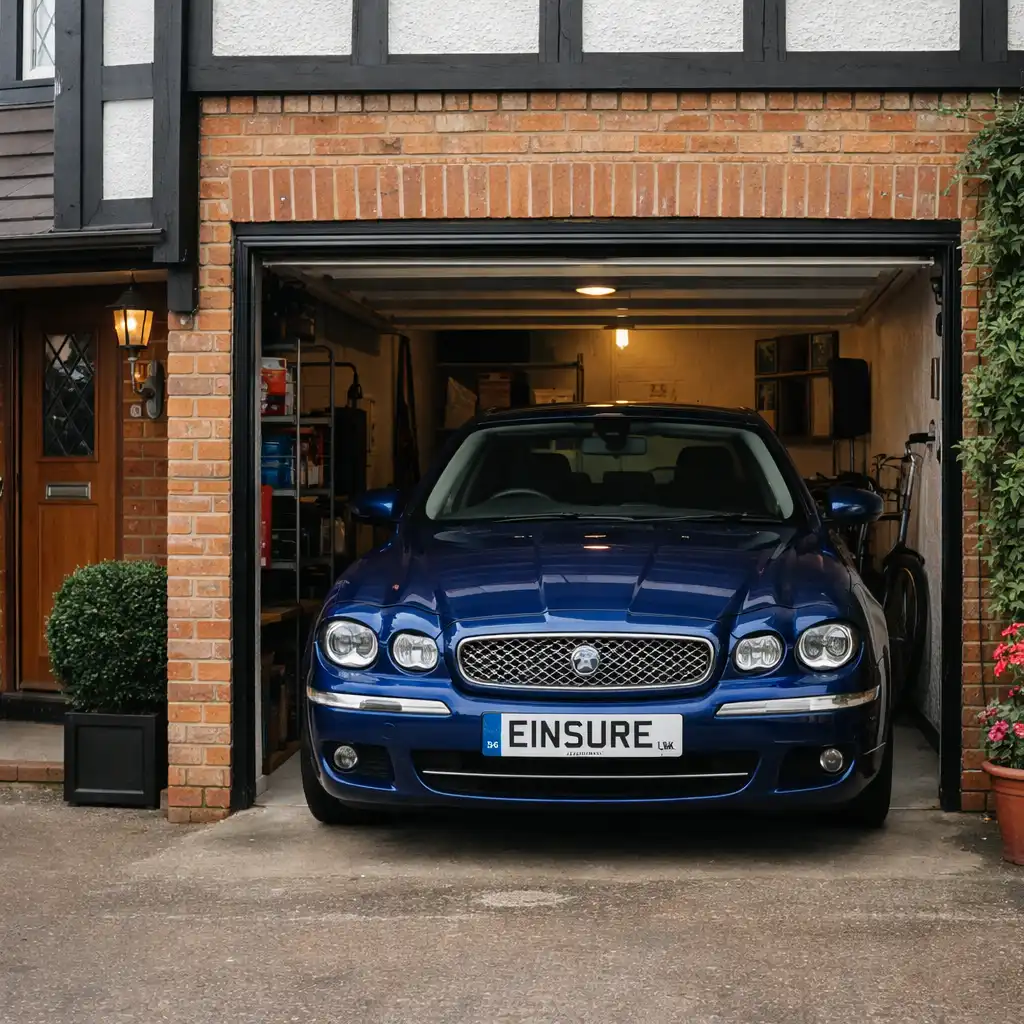
Many drivers assume that parking their car in a garage will automatically reduce their insurance premium. While garage parking can lower risk in some situations, it doesn’t always lead to cheaper car insurance.
Insurers assess a wide range of factors when calculating premiums, and how you actually use your garage can be just as important as having one.
This guide explains whether garage parking is worth it for car insurance, how insurers view it, and when it can make a difference.
Is garage parking cheaper for car insurance?
Garage parking can reduce insurance costs in some cases, but it does not guarantee a lower premium.
A garage is often seen as one of the safest places to keep a vehicle because it provides:
- Protection from theft and vandalism
- Reduced exposure to passing traffic
- Shelter from weather-related damage
However, the impact on your premium depends on how the garage is used and other risk factors.
Why insurers may view garages as lower risk
1. Reduced visibility
Cars stored in garages are out of sight, making them less attractive to opportunistic thieves.
2. Protection from damage
Garages reduce the risk of accidental damage from other vehicles, pedestrians or environmental factors.
3. Controlled access
A locked garage adds an extra layer of security compared to open parking locations.
Why garage parking doesn’t always lower premiums
Despite the benefits, garage parking doesn’t always result in cheaper insurance.
Common reasons include:
- Usage patterns: Some drivers don’t consistently park in their garage
- Convenience: If the garage is difficult to access, insurers may assume the car is often parked elsewhere
- Location factors: Postcode risk and local crime rates still play a major role
In some cases, insurers may see little difference between driveway and garage parking.
Garage vs driveway vs street parking
Garage vs driveway
Garages may offer more protection, but the difference in insurance cost is not always significant.
Garage vs street parking
Garages are generally considered lower risk, as street parking exposes vehicles to more hazards such as traffic and theft.
When garage parking is most beneficial
Garage parking may have the greatest impact when:
- You live in a higher-risk area
- Your vehicle is valuable or desirable to thieves
- You consistently use the garage every night
Consistency is key — insurers are interested in where the car is usually kept overnight.
How to maximise the benefits of a garage
If you have a garage, there are ways to improve its effectiveness as a security measure.
- Keep the garage locked at all times
- Install lighting or security cameras
- Avoid leaving valuables visible inside the car
- Use additional security devices if needed
Combining garage parking with other security measures can further reduce risk.
Should you tell your insurer you use a garage?
Yes. When setting up your policy, insurers will ask where your car is kept overnight.
It’s important to answer accurately. If you say your car is kept in a garage but regularly park elsewhere, this could affect your cover if you need to make a claim.
Key takeaways
- Garage parking can reduce risk but doesn’t guarantee cheaper insurance
- It is generally safer than street parking
- The impact depends on consistency and location
- Driveways may offer similar pricing in some cases
- Accurate information is essential when setting up your policy
Frequently Asked Questions
Is garage parking cheaper for car insurance?
It can be, but it depends on other factors such as location, vehicle type and how consistently the garage is used.
Is a garage safer than a driveway?
Generally yes, as it provides more protection from theft and damage, but the difference in insurance cost may vary.
Does parking in a garage reduce theft risk?
Yes, as the car is less visible and harder to access compared to open parking locations.
Do insurers check if I use my garage?
They rely on the information you provide, but incorrect details could affect your claim.
Is it worth using a garage for insurance purposes?
It can help reduce risk, especially in higher-risk areas, but it should be used consistently to make a difference.